Mapping Conditional Payout Structures Across Licensed UK Platforms for Multi-Event Wagers
Jakob Becker · Aug 13, 2026
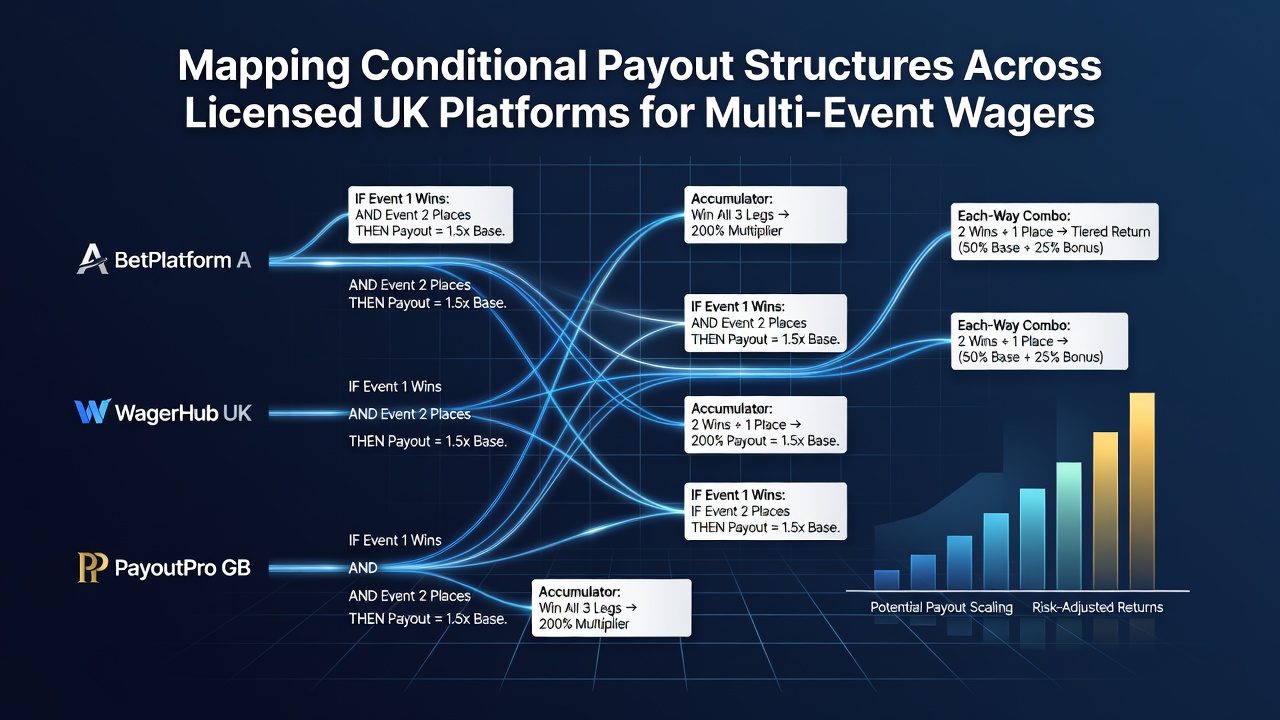
Mapping Conditional Payout Structures Across Licensed UK Platforms for Multi-Event Wagers
Analysts track how licensed operators calculate returns on multi-event wagers when specific conditions such as minimum odds thresholds or leg requirements come into play and these structures determine final settlement amounts once all events conclude. Operators apply tiered multipliers that adjust based on the number of successful legs while cash-out options introduce early termination clauses that cap potential returns at predetermined levels.
Core Mechanics of Conditional Structures
Multi-event wagers combine several selections into one ticket and platforms enforce conditions that alter base odds or trigger bonus increments only when certain criteria hold true throughout the settlement process. Data from industry reports shows operators segment these wagers into accumulator, parlay and same-game categories each carrying distinct payout rules that activate sequentially as individual legs resolve. Researchers note that conditional elements often include minimum combined odds requirements which prevent lower-risk combinations from qualifying for enhanced returns.
Platforms publish their payout matrices in advance so bettors review the exact multiplier schedule before placing stakes and these matrices list progressive bonuses that scale with additional legs while also specifying maximum payout caps that apply across all multi-event products. Observers find that some operators adjust these caps seasonally with updates scheduled for August 2026 reflecting new compliance standards across European markets.
Platform Comparisons in Practice
One operator structures football accumulators with a five-leg minimum for the top-tier bonus while another applies the same bonus from three legs onward but imposes stricter per-leg odds floors that reduce overall selection flexibility. Horse racing platforms follow parallel patterns yet incorporate place terms that modify conditional payouts when any leg finishes outside the placed positions. Studies from the Australian Gambling Research Centre reveal similar leg-count thresholds appear across international operators indicating consistent design principles despite regional licensing differences.
Live betting environments add further layers because in-play adjustments can alter remaining leg conditions mid-event and operators must recalculate conditional multipliers in real time to reflect updated probabilities. Those who monitor these systems report that settlement engines flag qualifying tickets automatically yet manual reviews occasionally occur when technical delays affect leg resolution timing.
Regulatory Influences on Payout Mapping
Licensing authorities require transparent disclosure of all conditional terms so operators maintain public documents that detail how payouts shift under various scenarios including void legs or push results. Figures from the National Council on Problem Gambling indicate that clearer mapping of these conditions correlates with reduced dispute volumes across multiple jurisdictions. Platforms therefore invest in interactive calculators that simulate payout outcomes based on user-selected conditions helping clarify the impact of each rule before confirmation.
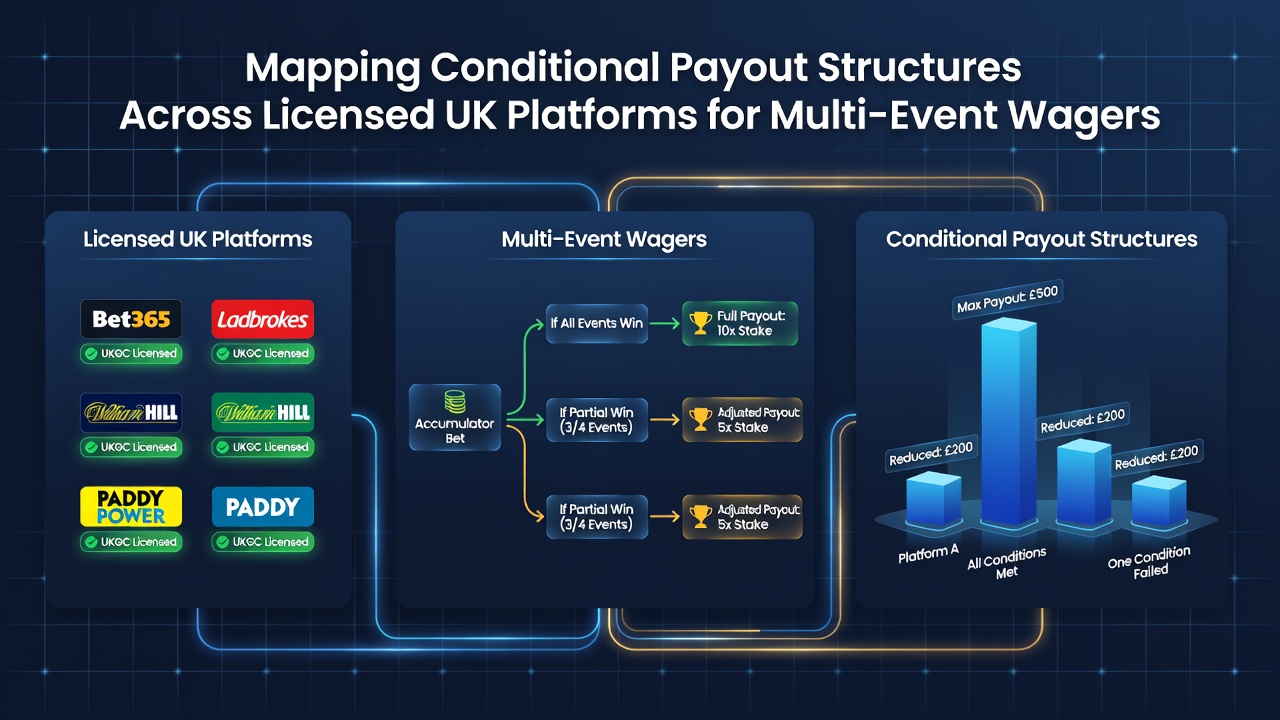
August 2026 brings scheduled alignment with updated cross-border standards that affect how operators present these calculators and several platforms have already begun testing revised interfaces that highlight conditional triggers more prominently within the bet slip. This development follows earlier pilots conducted in 2025 where user feedback shaped the final display formats.
Settlement Workflows and Edge Cases
Settlement engines process multi-event wagers by evaluating each leg against its stated condition before applying the cumulative multiplier and any cash-out taken prior to full resolution locks in a separate conditional payout that bypasses remaining legs entirely. Experts observe that operators differentiate between partial cash-out percentages and full settlement paths each carrying distinct fee structures that influence net returns. Voided legs trigger conditional recalculations that either remove the leg from the multiplier chain or replace it with a nominal odds value depending on the platform's published policy.
Those who review settlement logs note recurring patterns where combined conditions on mixed-sport accumulators produce edge cases that require manual intervention when one sport's result timing overlaps with another's. Platforms maintain dedicated teams to handle these scenarios ensuring final payouts align with the mapped structures even when automated systems encounter timing conflicts.
Conclusion
Mapping conditional payout structures reveals consistent patterns across licensed UK platforms while also highlighting platform-specific variations in leg thresholds, multiplier scaling and cash-out mechanics. Researchers continue to document how these structures evolve in response to regulatory timelines including the changes expected in August 2026. Observers note that transparent presentation of these conditions supports clearer user understanding of potential returns on multi-event wagers across football, racing and other markets.